
Learning to write the alphabet takes time, practice, and plenty of encouragement. For young children, tracing is a simple way to become familiar with letter shapes before they are expected to write them independently.
This A-Z Alphabet Letter Tracing Worksheet gives preschool and kindergarten children an opportunity to practice the English alphabet from A to Z. The worksheet includes capital and small letters, making it useful for children who are beginning to recognize and form different letter shapes.
Parents can use the printable at home, while teachers and homeschoolers can include it as part of handwriting or early-literacy practice. The page can also be printed in color or black and white, depending on your preference.
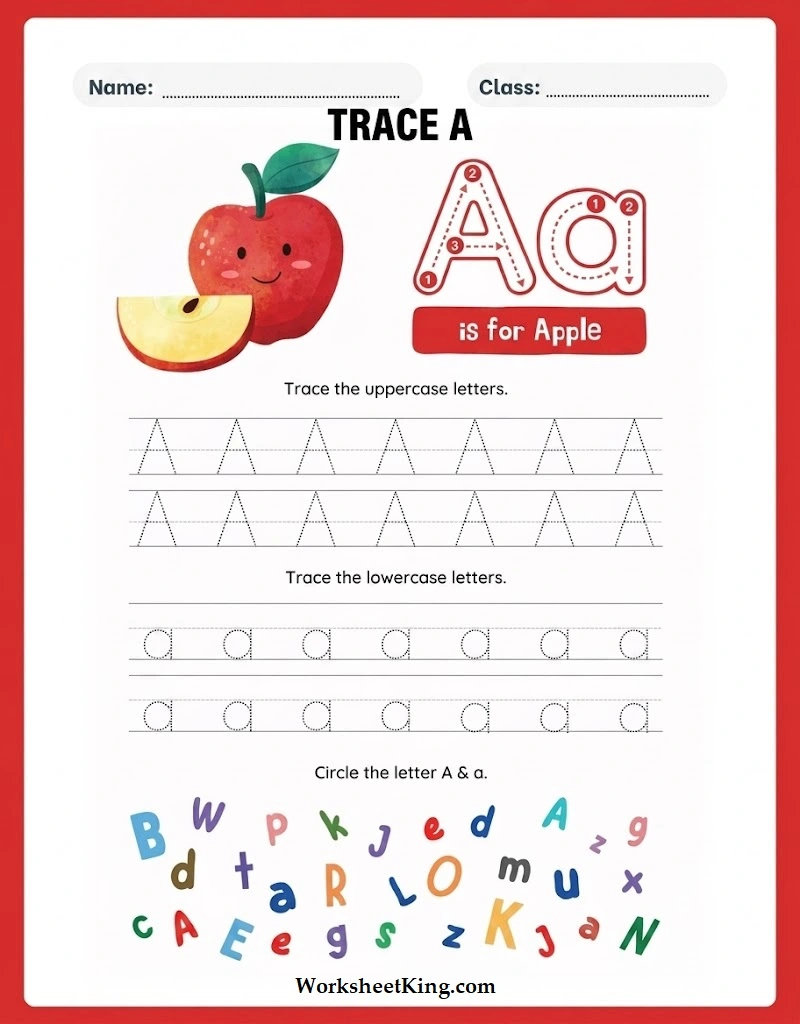
Letter A Tracing Worksheet
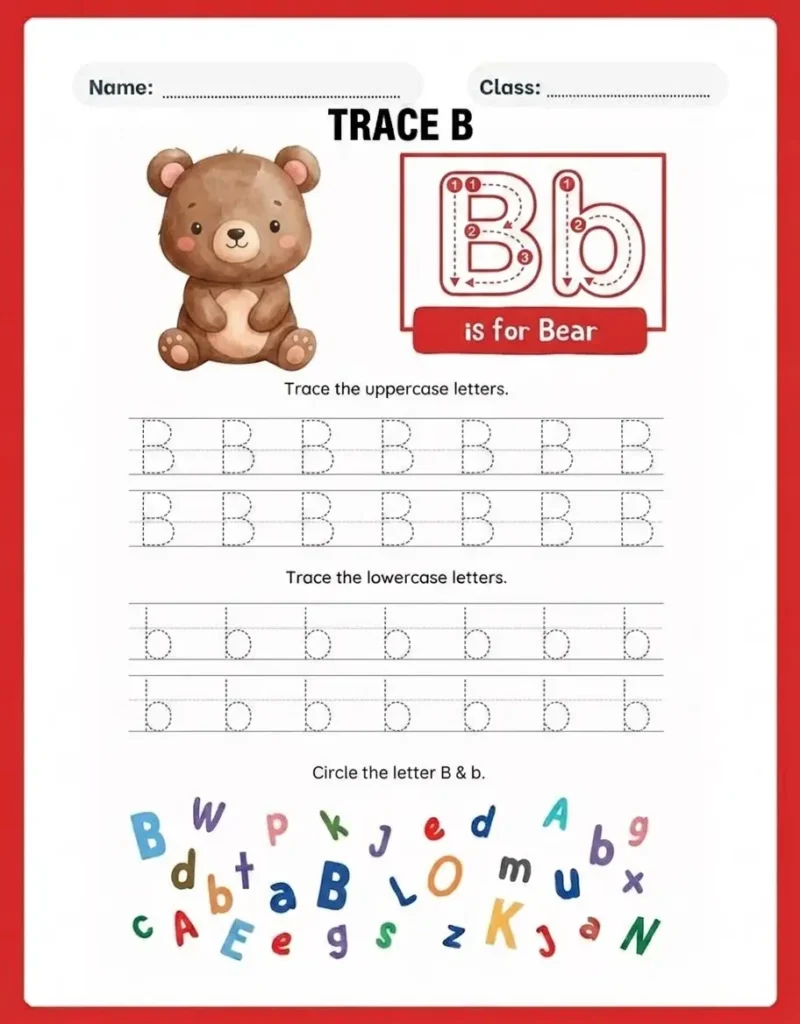
Letter B Tracing Worksheet
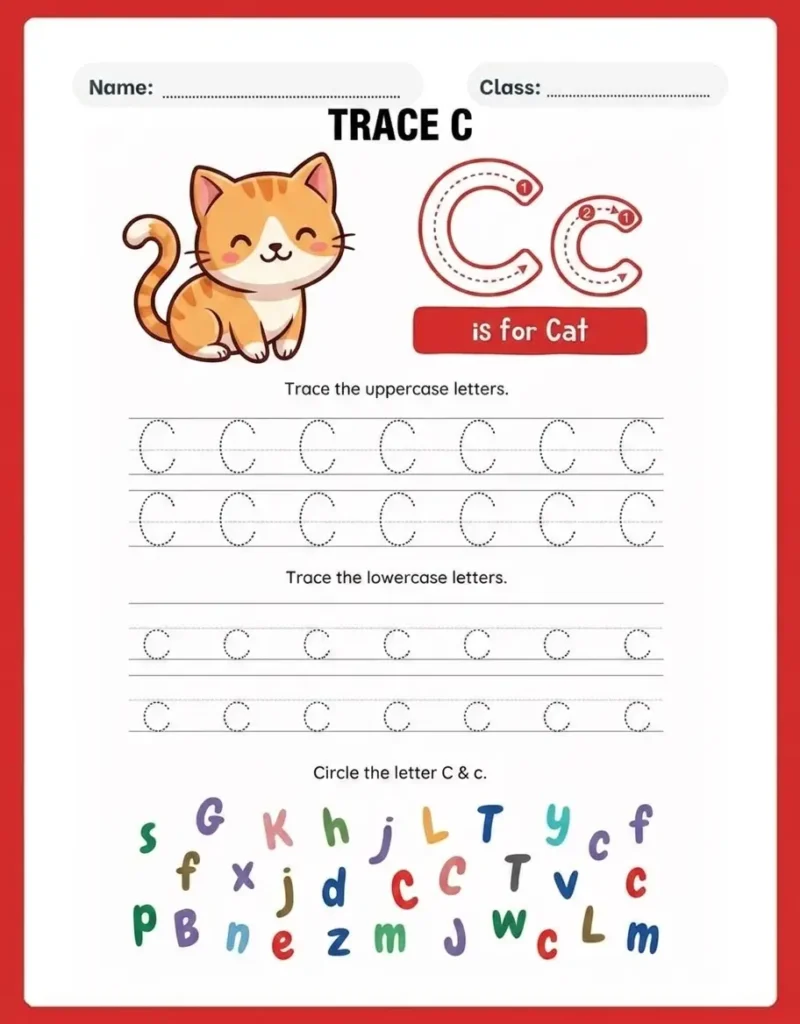
Letter C Tracing Worksheet
Letter D Tracing Worksheet
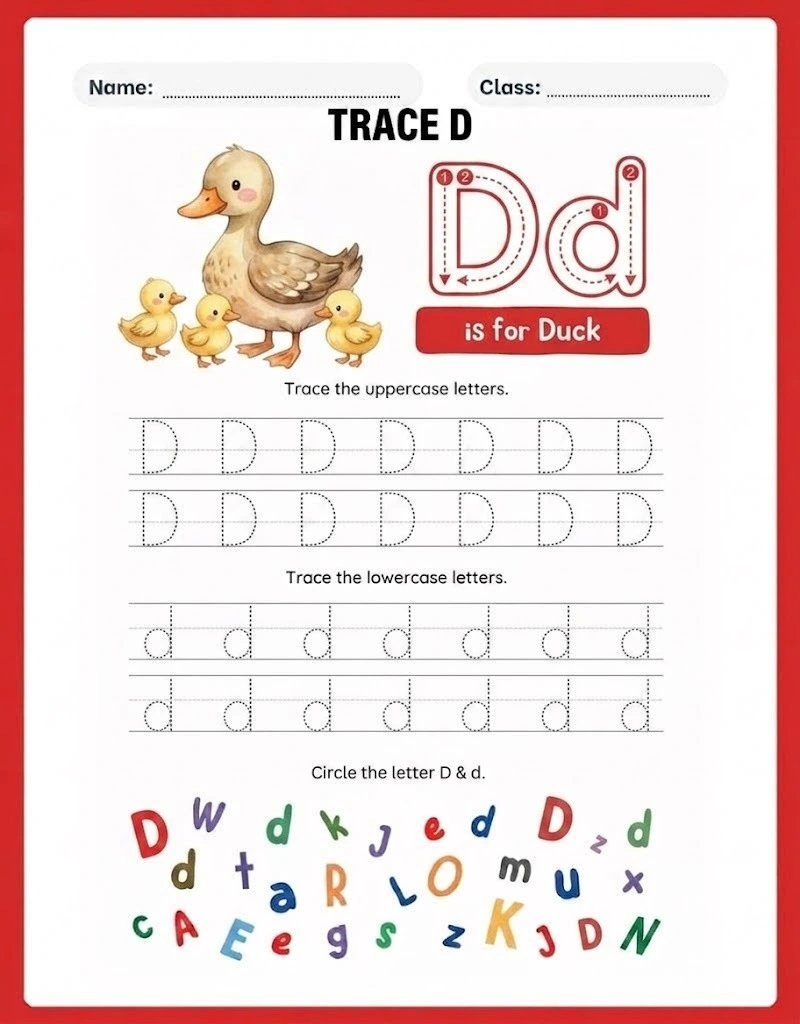
Letter E Tracing Worksheet
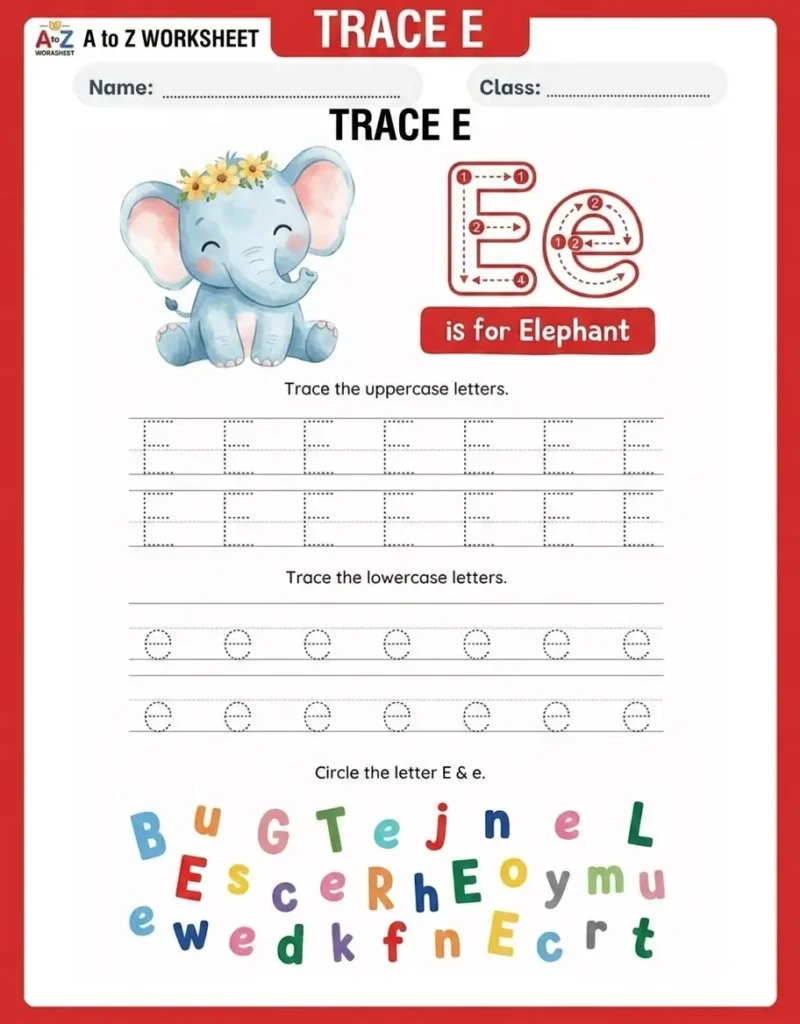
Letter F Tracing Worksheet
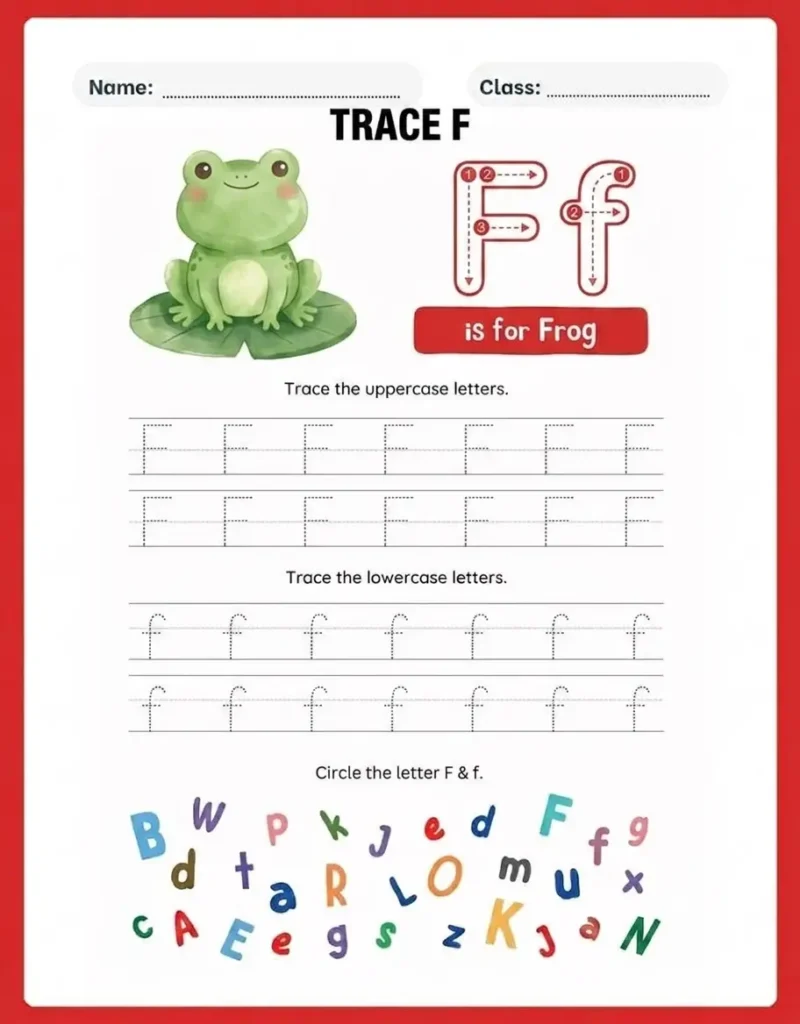
Letter G Tracing Worksheet
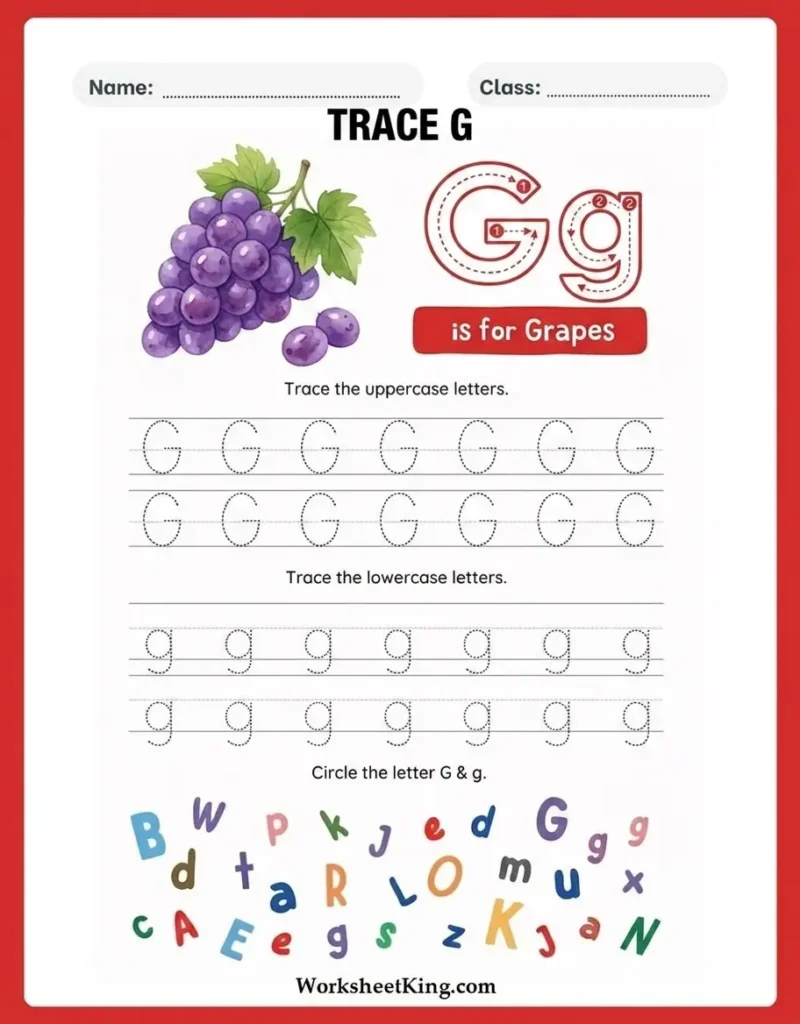
Letter H Tracing Worksheet
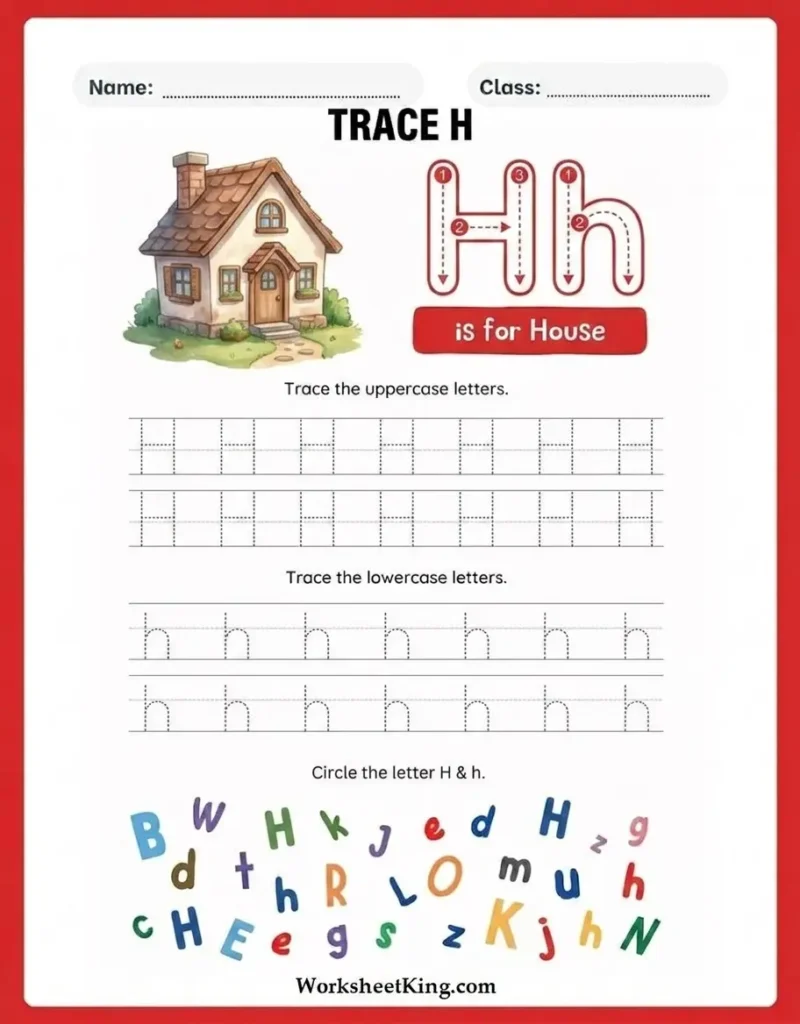
Letter I Tracing Worksheet
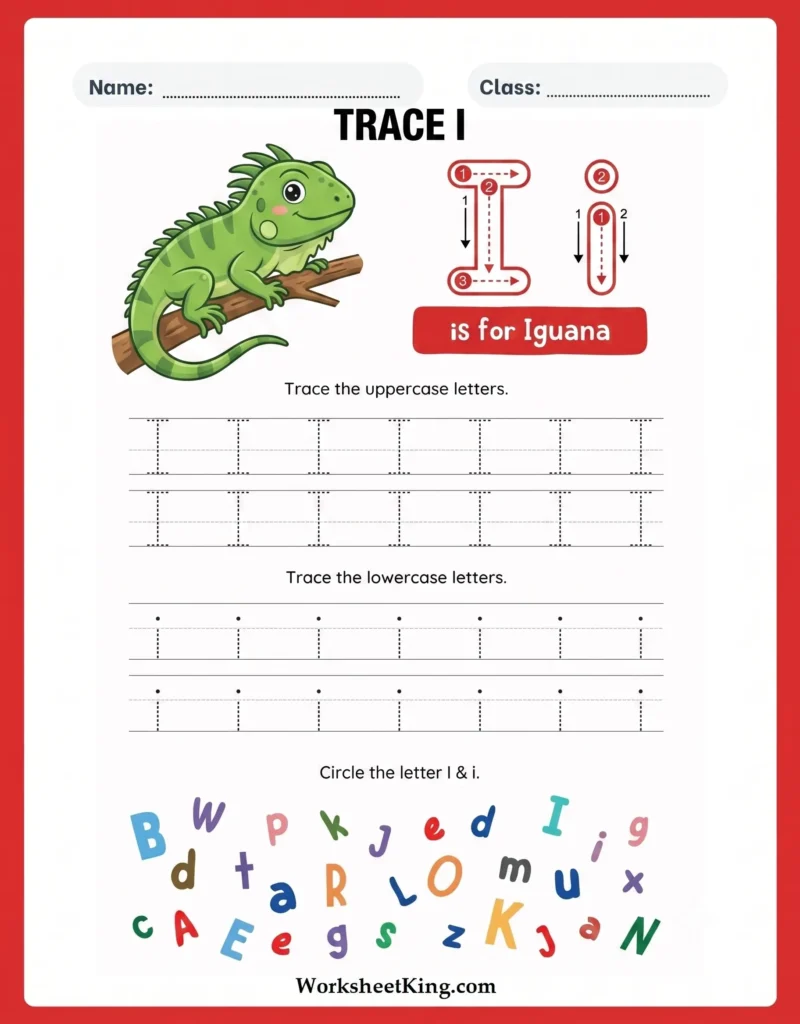
Letter J Tracing Worksheet
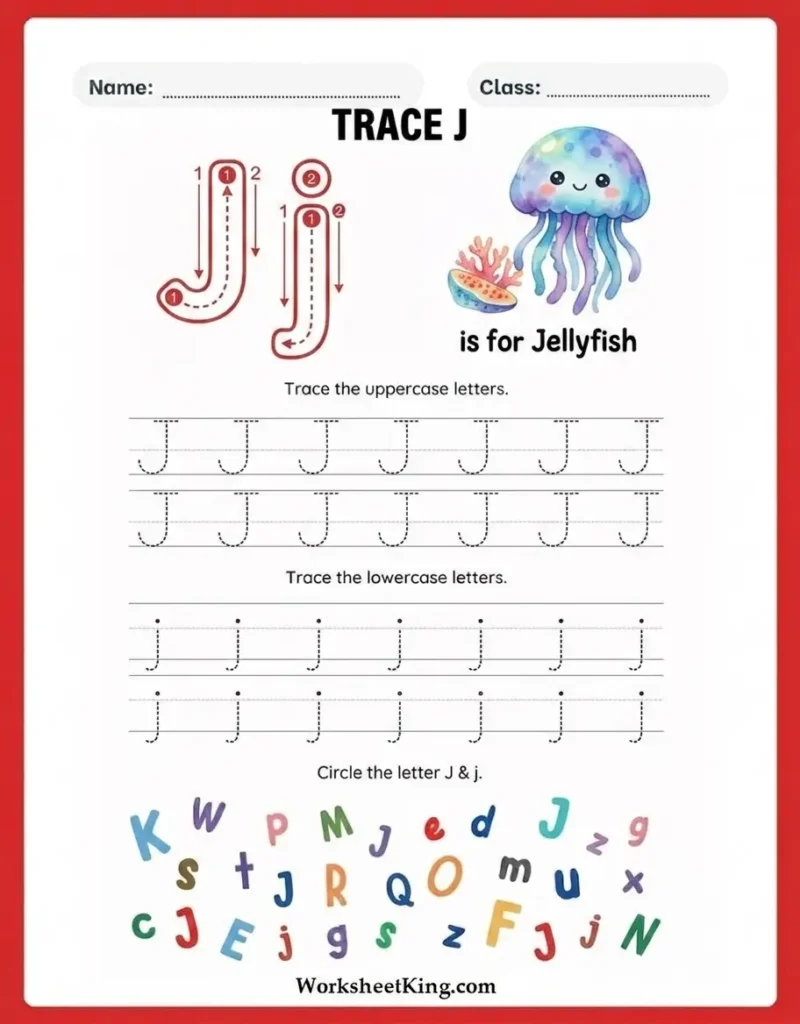
Letter K Tracing Worksheet
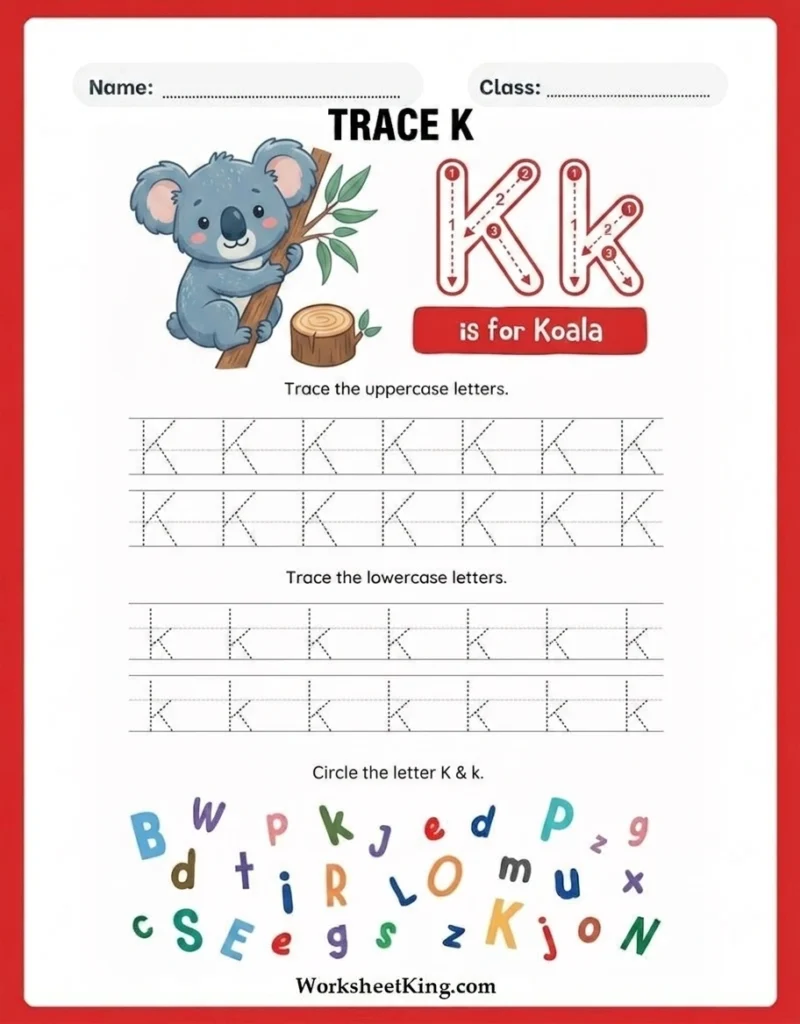
Letter L Tracing Worksheet
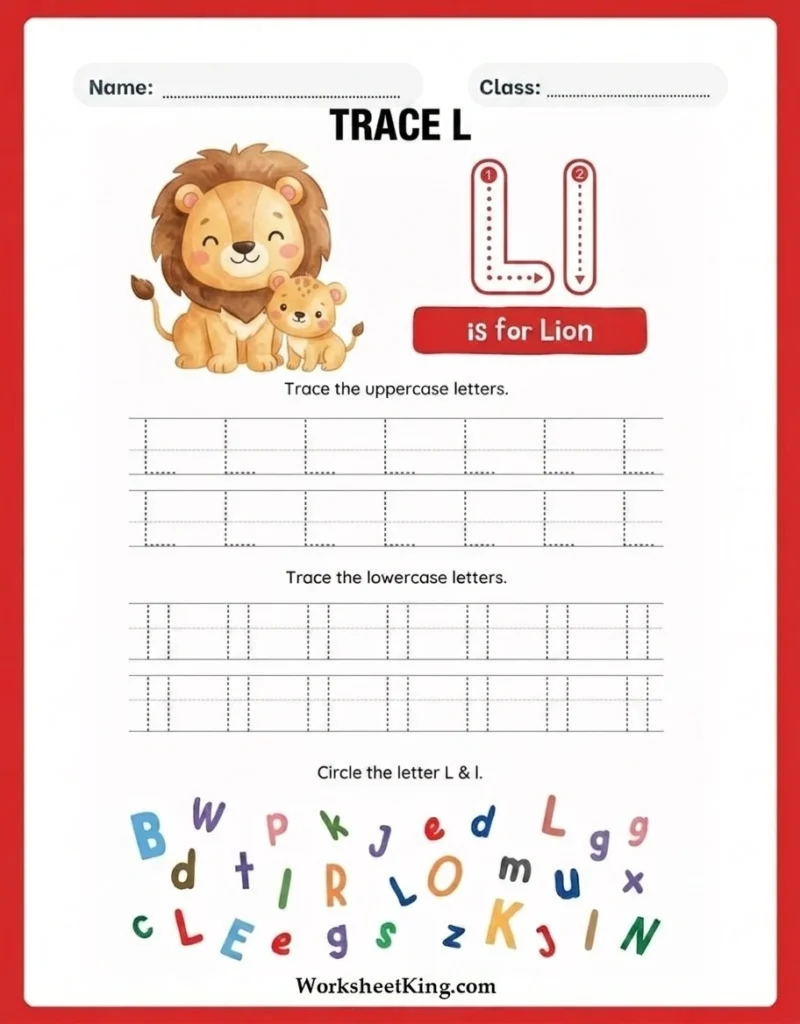
Letter M Tracing Worksheet
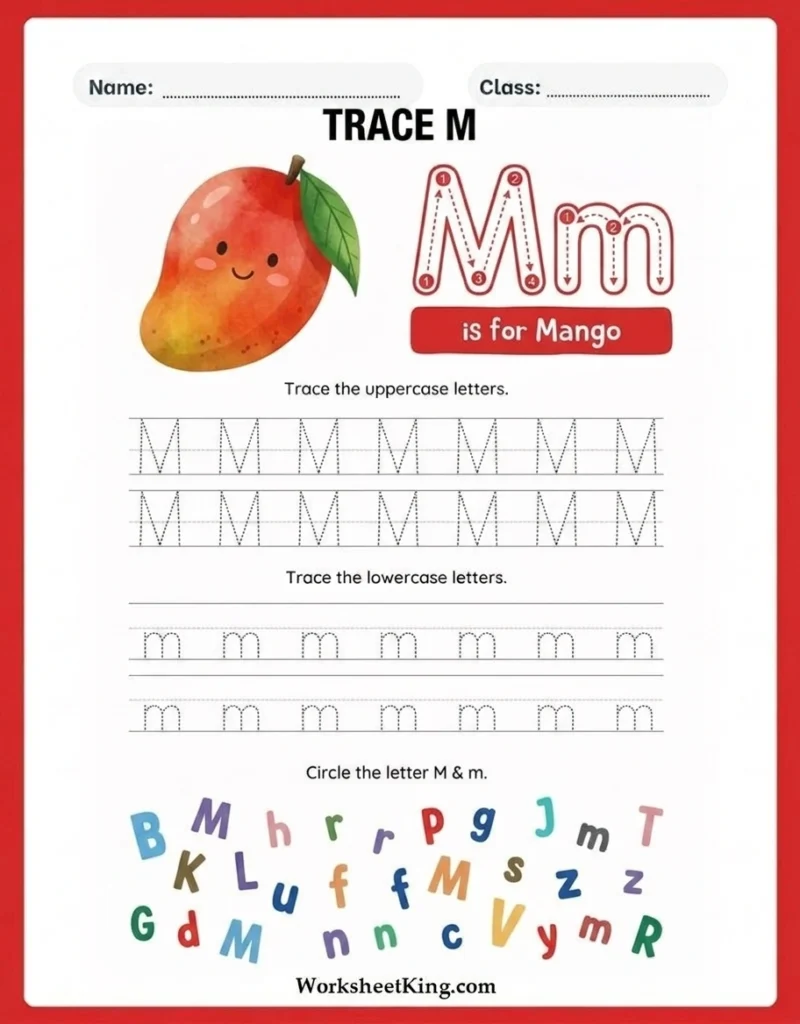
Letter N Tracing Worksheet
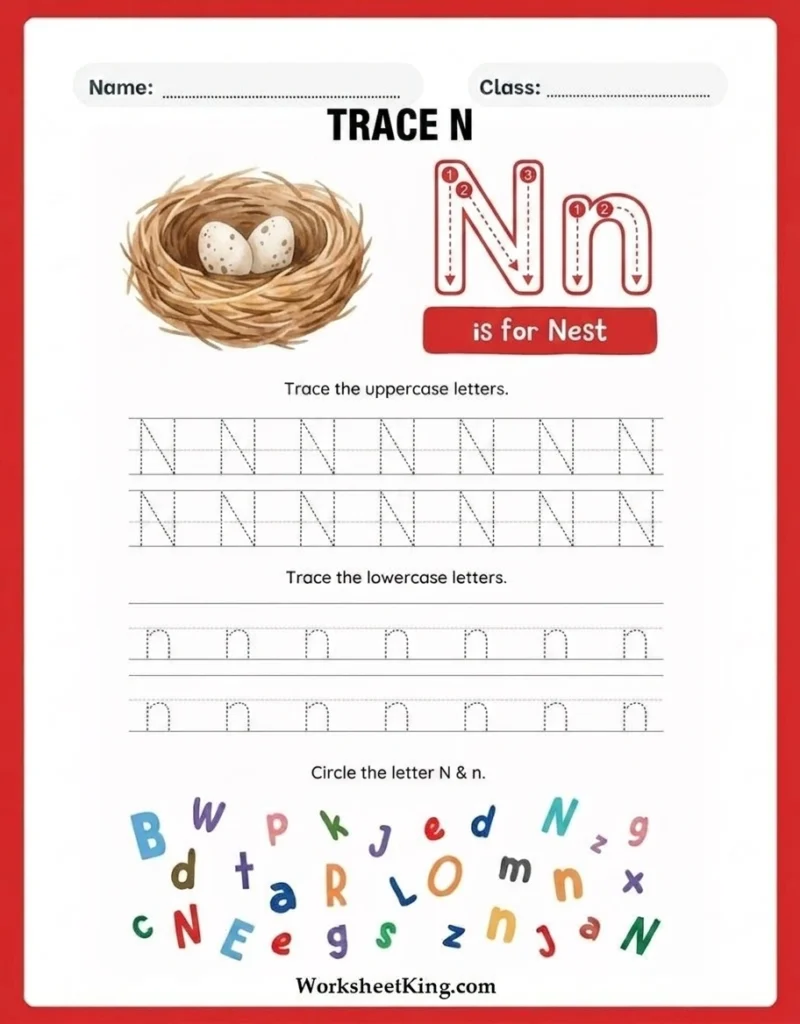
Letter O Tracing Worksheet
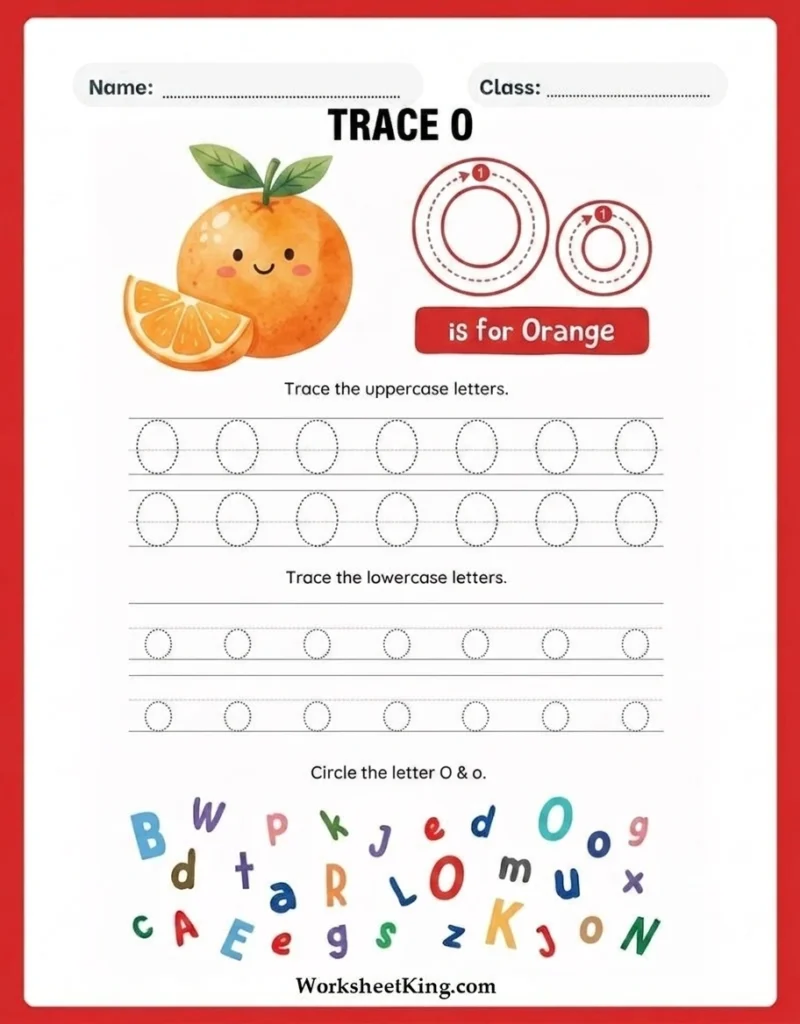
Letter P Tracing Worksheet
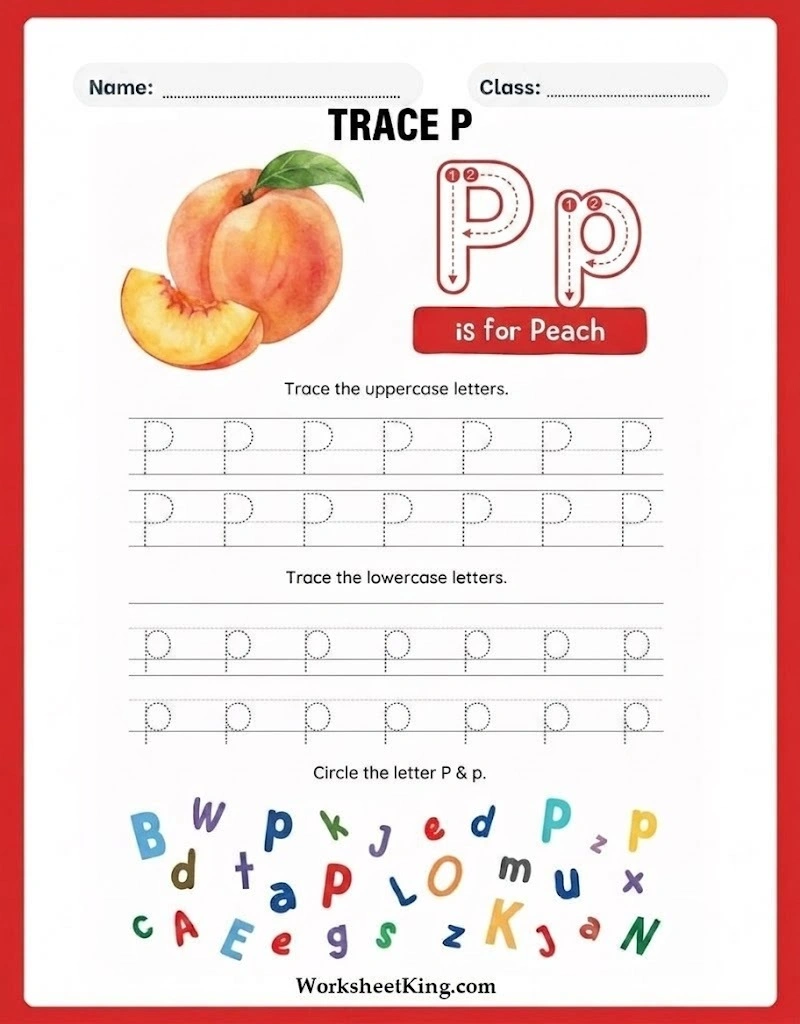
Letter Q Tracing Worksheet
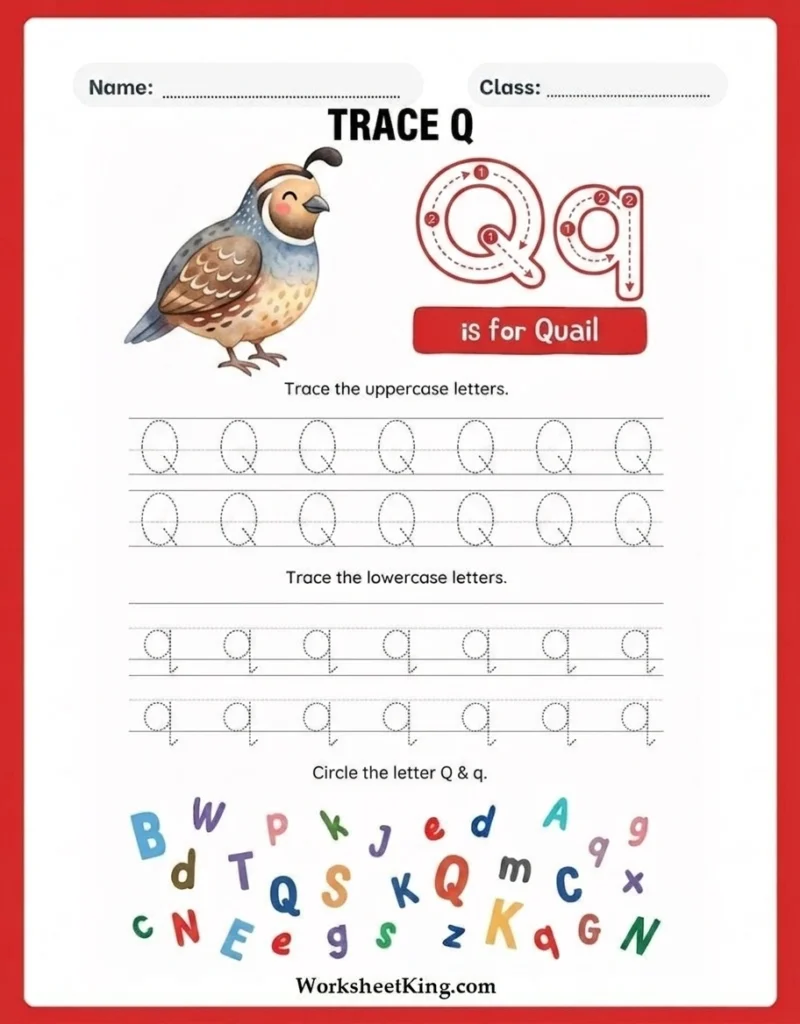
Letter R Tracing Worksheet
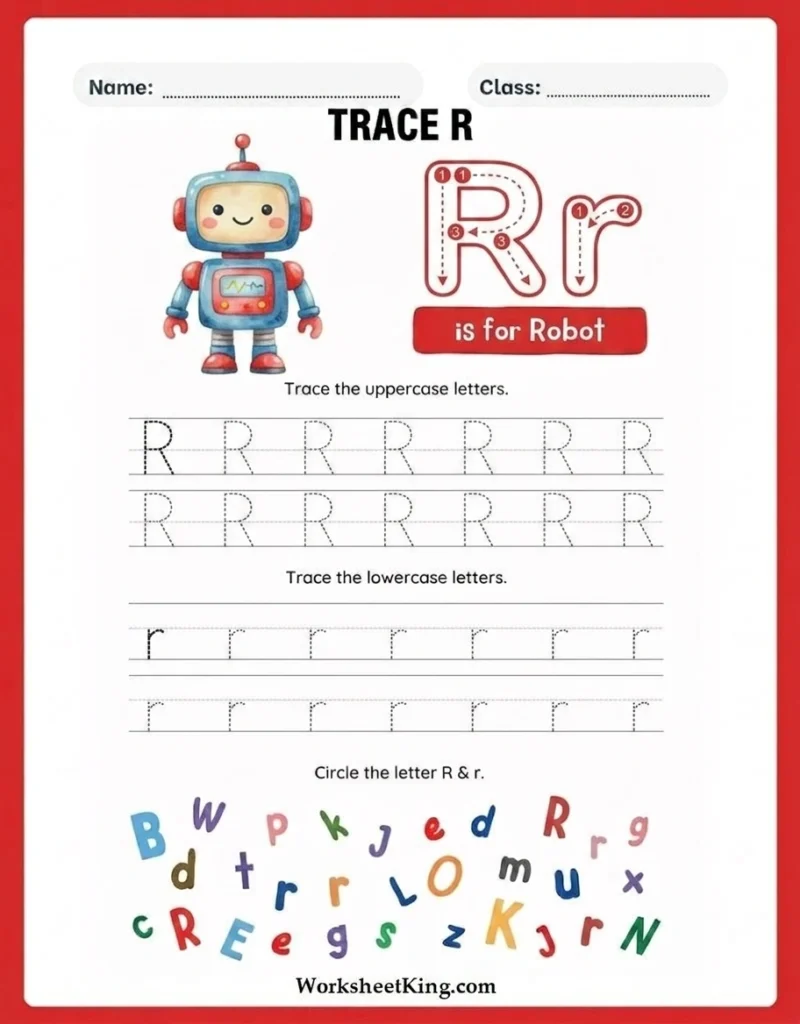
Letter S Tracing Worksheet
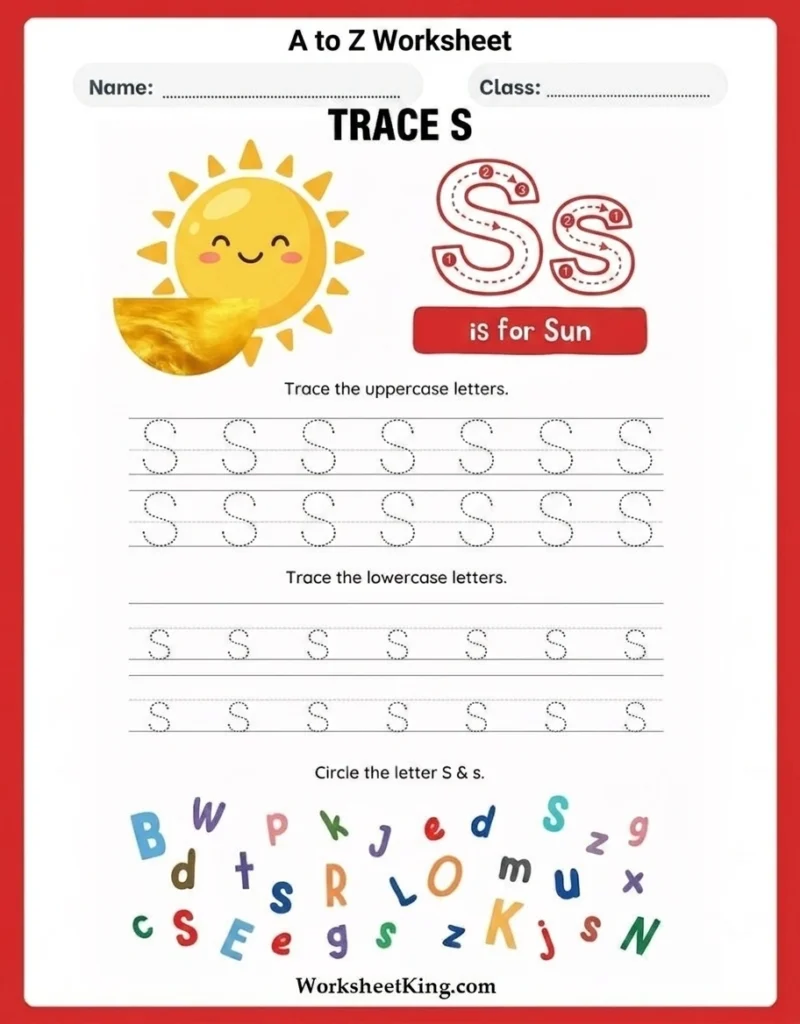
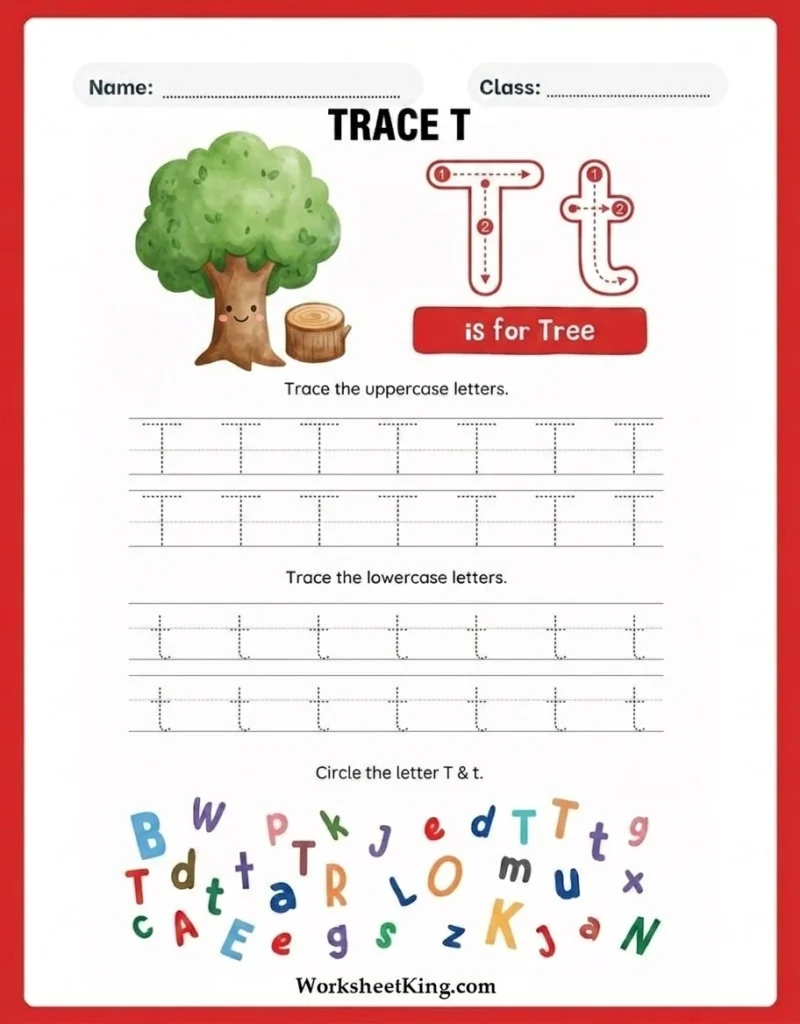
Letter T Tracing Worksheet
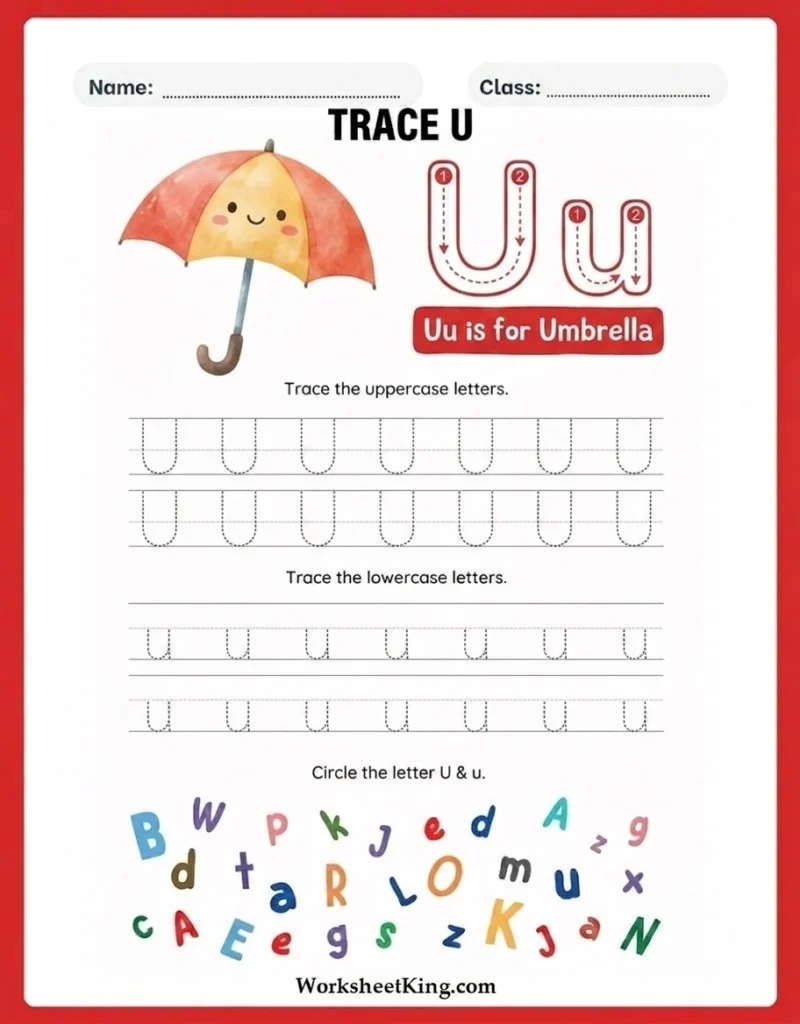
Letter U Tracing Worksheet
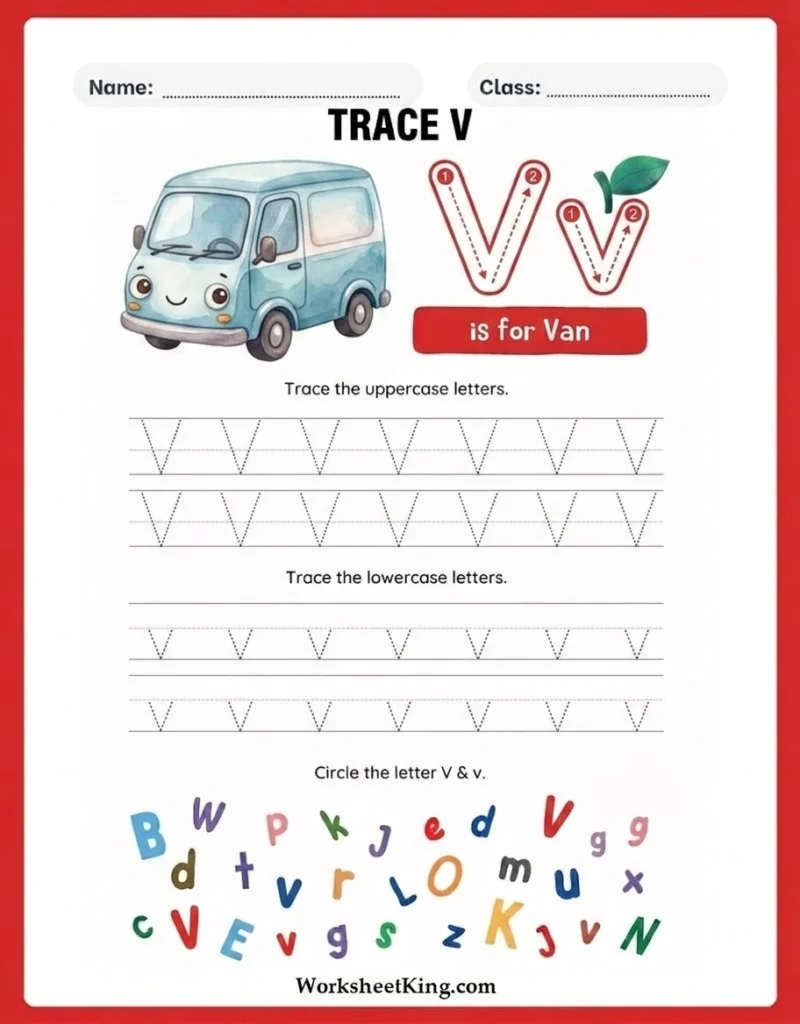
Letter V Tracing Worksheet
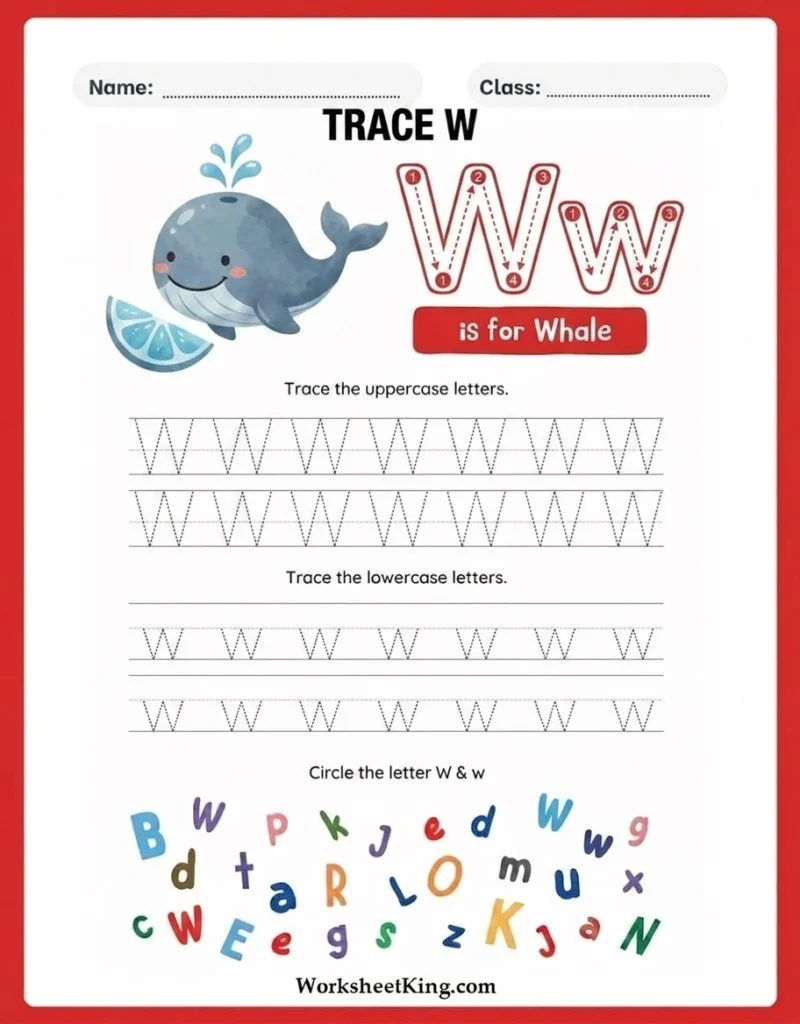
Letter W Tracing Worksheet
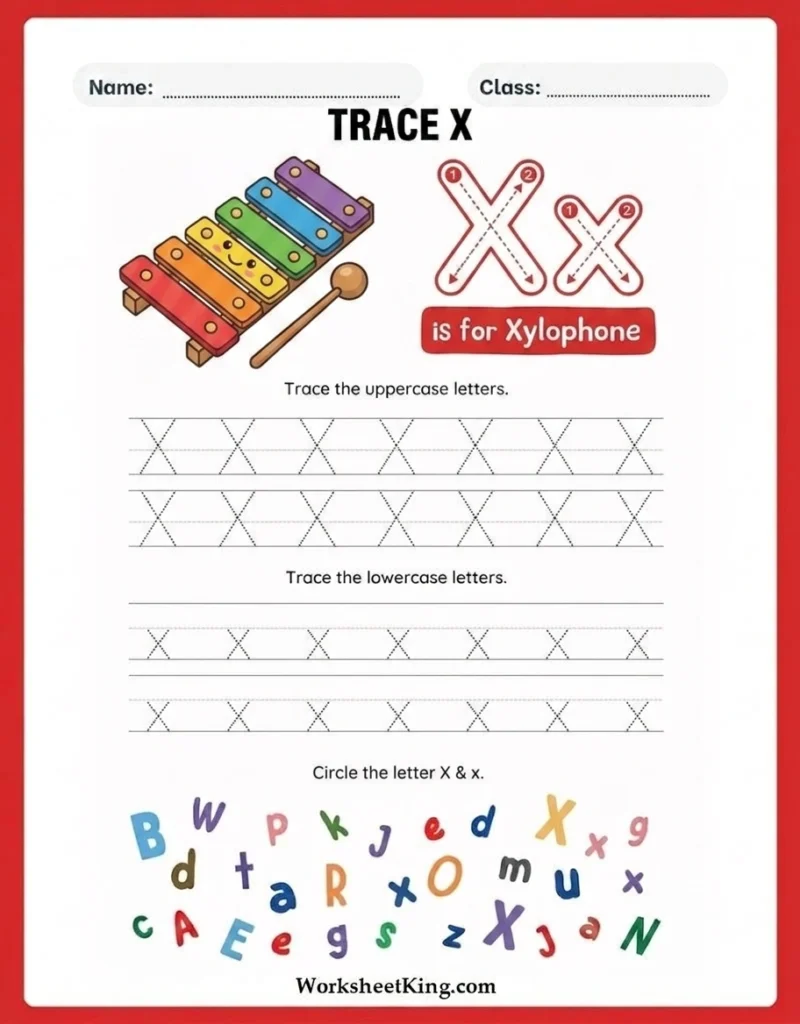
Letter X Tracing Worksheet
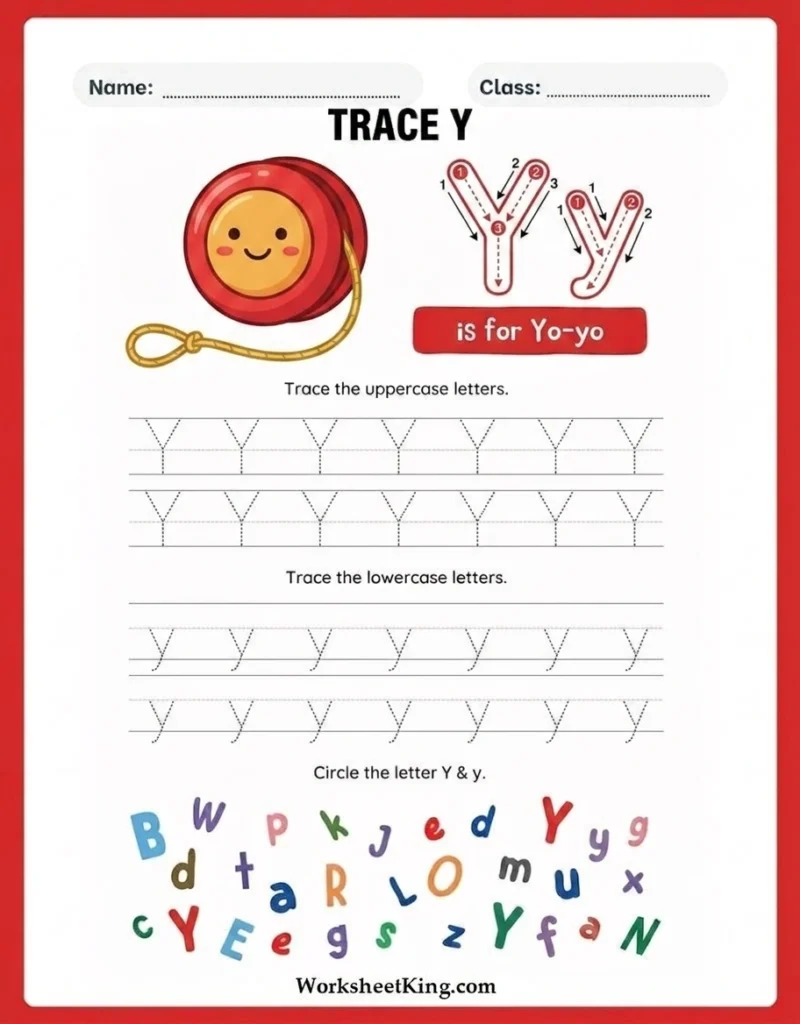
Letter Y Tracing Worksheet
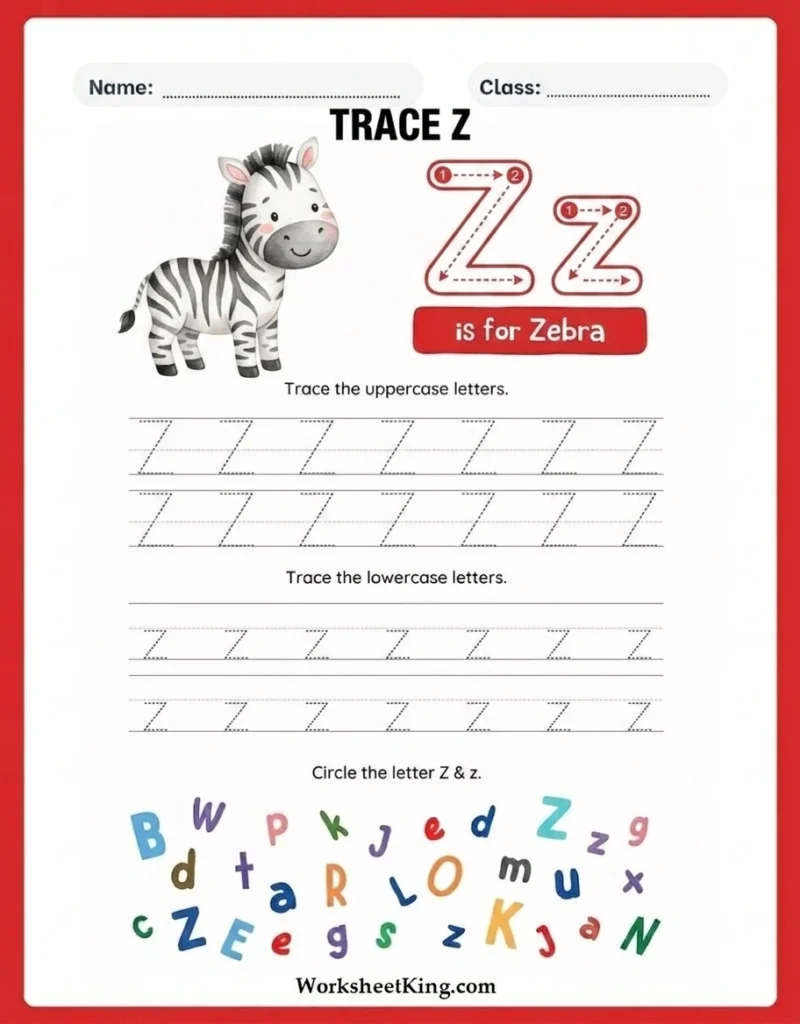
Letter Z Tracing Worksheet
What Is an A-Z Alphabet Letter Tracing Worksheet?
An A-Z alphabet letter tracing worksheet is a printable learning activity designed to help children practice forming letters.
Instead of starting with a blank page, children follow the provided letter shapes as they trace. This gives them a visual model to look at while becoming familiar with the basic shapes of the alphabet.
The worksheet covers the alphabet from A through Z and includes both capital and small letters. That makes it useful for introducing children to the two common forms of English letters.
Letter tracing can be particularly helpful during the stage when a child recognizes letters but is still developing the hand control needed to write them independently.
What Children Can Learn With This Worksheet
Alphabet tracing is more than simply following lines on a page. Regular, age-appropriate handwriting practice can support several early-learning skills.
Letter recognition
Repeatedly seeing and tracing letters gives children opportunities to become familiar with their shapes. Over time, they can begin recognizing letters more quickly when they encounter them in books, signs, names, and other everyday materials.
Letter formation
Tracing provides a model for how a letter looks when written. Children can use that model as they begin learning how different strokes come together to form each letter.
Pencil control
Holding and moving a pencil along a letter requires coordination between the eyes and hands. Tracing gives children a simple activity for practicing controlled pencil movements.
Early handwriting practice
Tracing can serve as a bridge between recognizing a letter and attempting to write it without a guide. Children can first become comfortable with the shape before moving toward independent writing.
Uppercase and lowercase awareness
The worksheet includes capital and small letters, allowing children to see that the same alphabet contains different letter forms.
What Is Included in the A-Z Alphabet Letter Tracing Worksheet?
The worksheet is focused on alphabet letter tracing from A to Z. It includes capital and small letters for preschool and kindergarten practice.
Because the activity is centered on letter tracing, it works well as a straightforward handwriting practice page rather than requiring children to complete several unrelated tasks.
This can be useful when a child needs focused practice with the alphabet without becoming overwhelmed by a page containing too many different activities.
Who Can Use This Worksheet?
Preschool children
Children in preschool who are beginning to recognize and form letters can use alphabet tracing pages as part of their early writing practice.
At this age, the goal does not need to be perfect handwriting. Give children time to become comfortable holding a pencil and following the shape of each letter.
Kindergarten children
Kindergarten students can use alphabet tracing worksheets for additional handwriting practice, especially when they are still developing consistent letter formation.
The activity can also work as a short literacy-center task, morning practice, or extra practice at home.
Parents
Parents can print the worksheet for simple, screen-free learning at home. A short tracing session can be included alongside reading books, alphabet games, or other preschool activities.
Teachers
Teachers can use the worksheet as a supplemental handwriting activity. It may be useful during independent work, small-group instruction, literacy centers, or review sessions.
Homeschoolers
For homeschool families, an A-Z tracing worksheet can fit naturally into an early-literacy routine alongside phonics, letter recognition, reading, and writing activities.
How to Use This Worksheet
A simple routine can make letter tracing more useful and less frustrating for young learners.
1. Start with a few letters
You do not have to ask a child to complete the entire alphabet in one sitting. Begin with a manageable number of letters and increase the amount of practice gradually.
2. Let the child look at the letter first
Before tracing, say the letter together and let the child look carefully at its shape.
For example, point to A and say, “This is uppercase A.” Then allow the child to trace it.
3. Encourage slow, controlled tracing
Young children often want to finish quickly. Encourage them to follow the letter carefully instead of worrying about speed.
4. Talk about the letters
You can make the activity more interactive by asking simple questions.
“Can you find the letter B?”
“What letter comes after C?”
“Can you find a capital letter?”
These short conversations turn handwriting practice into an opportunity for letter recognition as well.
5. Praise effort
A child may not form every letter perfectly at first. Positive feedback about careful effort can help keep handwriting practice enjoyable.
Tips for Helping Children Complete the Worksheet
Keep practice sessions short. Young children often learn better with brief activities than with long handwriting sessions.
Use an appropriate pencil grip. Make sure the child is comfortable holding the writing tool. Avoid turning the activity into a struggle over perfect grip.
Give children enough space. A stable table and chair can make writing more comfortable.
Model the activity. If a child does not understand what to do, demonstrate one letter first rather than giving several instructions at once.
Mix tracing with other alphabet activities. Reading an alphabet book, singing an ABC song, identifying letters on signs, and playing simple letter games can provide variety.
Move from guided to independent writing. Once a child becomes comfortable tracing a particular letter, offer a blank space or lined paper and invite them to try writing it independently.
Most importantly, keep expectations appropriate for the child’s stage of development. Tracing is practice, not a test.
Free Printable A-Z Alphabet Letter Tracing Worksheet
If you are looking for a simple printable alphabet tracing worksheet, this A-Z activity can be used for preschool and kindergarten letter practice.
The source worksheet provides options to download or print in color and black and white, which gives parents and teachers flexibility depending on their printer and classroom needs.
For home use, ordinary printer paper is generally sufficient for a basic tracing activity. If you plan to reuse a worksheet, placing a printed page inside a clear protective sleeve and using a suitable dry-erase marker can be a practical option.
For children who are just beginning handwriting practice, pencils or other child-friendly writing tools can be used according to the worksheet’s printed format and the child’s comfort.
If your website provides its own downloadable version, place the main Download Worksheet button near the beginning of this section so visitors do not have to search for it.
Frequently Asked Questions
What age is an A-Z alphabet tracing worksheet suitable for?
Alphabet tracing worksheets are generally useful for children in the preschool and kindergarten range who are beginning to recognize and write letters. The right starting point varies from child to child. Some children may enjoy tracing earlier, while others may benefit from more pre-writing practice first.
Is this worksheet suitable for kindergarten?
Yes. The worksheet is specifically described as suitable for preschoolers and kindergarteners and includes capital and small letter tracing practice.
How can I teach alphabet tracing to a preschooler?
Start with a small number of letters rather than expecting the child to complete A–Z at once. Say the letter aloud, show its shape, demonstrate how to follow the tracing guide, and let the child try. Short, relaxed practice sessions are usually easier for young children.
Should children learn uppercase or lowercase letters first?
There is no single approach that works for every child. Uppercase letters are often visually simpler for beginners, while lowercase letters are important because children encounter them frequently in books and everyday writing. Practicing both forms over time gives children broader familiarity with the alphabet.
How often should children practice letter tracing?
Short, regular practice is often more practical than a long session once in a while. A few minutes at a time can be enough for a young child, especially when the activity is combined with reading and other alphabet games.
Can parents use alphabet tracing worksheets at home?
Yes. Parents can use printable tracing worksheets as a simple screen-free activity at home. Try combining the worksheet with alphabet books, letter-sound games, name-writing practice, or opportunities to spot letters in everyday surroundings.
Can teachers use alphabet tracing worksheets in the classroom?
Yes. Teachers can use letter tracing pages for handwriting practice, literacy centers, small-group work, review activities, or extra practice. The worksheet can also be useful when a child needs additional opportunities to practice letter formation.
How should I print an alphabet tracing worksheet?
Use the print settings recommended on the worksheet page. The source page provides both color and black-and-white printing options. If the worksheet is designed for standard printer paper, check the preview before printing so the letters and practice area fit comfortably on the page.
What should children do after learning to trace letters?
Once a child becomes comfortable tracing letters, gradually introduce independent writing. You can ask the child to copy a letter from a model and eventually write familiar letters without a guide. Name-writing activities are another natural next step.
Conclusion
An A-Z Alphabet Letter Tracing Worksheet gives young learners a simple way to practice recognizing and forming letters. For preschool and kindergarten children, tracing can provide a gentle transition from looking at letters to attempting to write them independently.
Parents, teachers, and homeschoolers can use the worksheet as one part of a broader early-literacy routine. Keep practice sessions short, encourage careful effort, and combine handwriting activities with reading, letter recognition, and playful alphabet practice.
With consistent practice and plenty of encouragement, children can gradually become more comfortable with the shapes and forms of the alphabet.